The types of white wine range from bone-dry, mineral bottles to some of the richest and most long-lived wines ever made. Grape, place and winemaking each shape the glass. Once those three are understood, every wine list becomes easier to read and far more rewarding.
This guide groups white wine into five families: light and crisp, aromatic, rich and full-bodied, sparkling, and sweet. It then covers the great regions, serving, food pairing and collecting. For the basics of decoding a bottle, our guide on how to read wine labels makes a useful companion.
Types of White Wine at a Glance
| Style | Key grapes | Classic regions | In the glass |
|---|---|---|---|
| Light and crisp | Sauvignon Blanc, Pinot Grigio, Albariño, Muscadet, Grüner Veltliner, Assyrtiko | Loire, Marlborough, north-east Italy, Rías Baixas, Austria, Santorini | High acidity, citrus, green fruit, minerality |
| Aromatic | Riesling, Gewürztraminer, Viognier, Muscat, Torrontés | Mosel, Alsace, Condrieu, Clare Valley, Argentina | Floral, spicy or stone-fruit perfume |
| Rich and full-bodied | Chardonnay, Marsanne, Roussanne, Sémillon, Chenin Blanc | Burgundy, Napa Valley, northern Rhône, Bordeaux, Loire | Broad texture, ripe fruit, often oak |
| Sparkling | Chardonnay, Pinot Noir, Pinot Meunier | Champagne, England, Franciacorta | Fine bubbles, brioche, freshness |
| Sweet | Sémillon, Furmint, Riesling, Chenin Blanc | Sauternes, Tokaj, Mosel, Vouvray | Honey, apricot, marmalade, bright acidity |
How White Wine Is Made
Most white wine comes from green-skinned grapes. The grapes are pressed soon after picking, so the juice spends little time with the skins. As a result, the wine stays pale and has very little tannin.
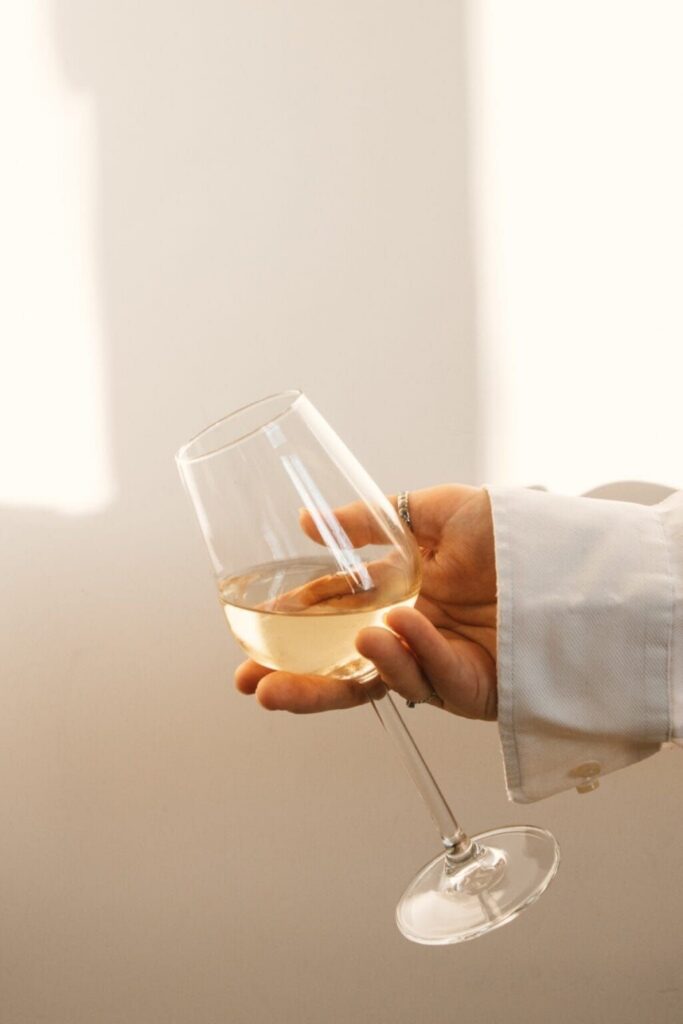
White wine can also be made from black grapes, because their juice is clear. Champagne labelled Blanc de Noirs is the best-known example. By contrast, orange wine is made from white grapes left in contact with their skins, which gives colour, texture and grip.
The cellar then decides much of the style. Stainless steel keeps a wine fresh and fruit-led. Oak barrels add texture and notes of vanilla, toast and spice. Malolactic conversion softens sharp acidity and can bring a buttery note. Ageing on the lees, the spent yeast, adds a creamy, savoury depth.
Light and Crisp Types of White Wine
These are the most refreshing whites, built on acidity rather than weight. They are usually unoaked and best drunk young.
Sauvignon Blanc. In the Loire, Sancerre and Pouilly-Fumé are taut, flinty and elegant. In New Zealand, Marlborough gives a louder style of passion fruit, gooseberry and cut grass. The grape’s home in New Zealand is explained by New Zealand Winegrowers.
Pinot Grigio and Pinot Gris. They are the same grape under two names. Italian Pinot Grigio is light, neutral and easy. Alsace Pinot Gris, however, is rounder, smokier and more substantial.
Chablis. Chablis is Chardonnay from northern Burgundy. The cool climate and limestone soils give a lean, mineral wine, often with little or no new oak. The Premier Cru and Grand Cru wines age well for a decade or more.
Albariño, Muscadet, Grüner Veltliner and Assyrtiko. Albariño from Rías Baixas in Spain is bright and saline. Muscadet from the western Loire is often aged on its lees, labelled sur lie, for extra texture. Austrian Grüner Veltliner adds a note of white pepper. Assyrtiko from the volcanic island of Santorini is intensely dry, mineral and surprisingly long-lived.
Aromatic Types of White Wine
Aromatic whites are defined by their perfume. They range from bone dry to lusciously sweet, so the label matters.
Riesling. Many sommeliers regard Riesling as the noblest white grape of all. In Germany, the Mosel produces delicate, low-alcohol wines with thrilling acidity, while the Rheingau is broader. Alsace and Australia’s Clare and Eden Valleys make dry styles. With age, fine Riesling develops honeyed and petrol-like notes that collectors prize. Wines of Germany explains the country’s ripeness levels, from Kabinett to Trockenbeerenauslese.
Gewürztraminer. This is the most exotic of the group, with lychee, rose petal and ginger. Alsace is its finest home.
Viognier. Viognier gives apricot, peach and honeysuckle with a soft, oily texture. Its benchmark is Condrieu in the northern Rhône.
Muscat and Torrontés. Muscat is one of the few grapes whose wine actually smells of fresh grapes. Torrontés, Argentina’s signature white, is floral and fragrant yet usually dry.
Rich and Full-Bodied Types of White Wine
This family includes the most celebrated and most expensive white wines in the world. They have weight, texture and the structure to age.
Chardonnay. In Burgundy, Chardonnay reaches its peak. Meursault is rich and nutty. Puligny-Montrachet and Chassagne-Montrachet are finer and more mineral. The Grand Crus, Montrachet and Corton-Charlemagne among them, are the summit of white wine. The Bourgogne Wines site maps every village and vineyard. Beyond Burgundy, Napa Valley, Sonoma and Australia’s Margaret River make outstanding, often more generous, styles.
White Bordeaux. Sauvignon Blanc and Sémillon are blended here, often with oak. The great estates of Pessac-Léognan make dry whites of real depth and longevity.
White Rhône. Marsanne and Roussanne give full, textured wines with notes of pear, almond and herbs. White Hermitage is among the longest-lived dry whites in France.
Chenin Blanc. Chenin is remarkably versatile. In the Loire it makes dry Savennières, sweet Vouvray and sparkling wines. South Africa, meanwhile, has become a second home for serious, oak-aged Chenin.
Sparkling and Sweet White Wines
Champagne is white wine made sparkling by a second fermentation in the bottle. Blanc de Blancs is made only from Chardonnay and tends to be the most precise and elegant style. England’s chalk soils in Sussex, Kent and Hampshire now produce traditional-method sparkling wines of genuine class. For our pick of the finest bottles, see our ranking of the best Champagnes of the year.
The greatest sweet whites rely on noble rot, a benign fungus that concentrates sugar and acidity in the grape. Sauternes, led by Château d’Yquem, is the most famous example. Hungary’s Tokaji Aszú, made mainly from Furmint, is equally historic. German Trockenbeerenauslese and Eiswein are rare, intensely sweet and capable of ageing for decades.
The Great White Wine Regions of the World
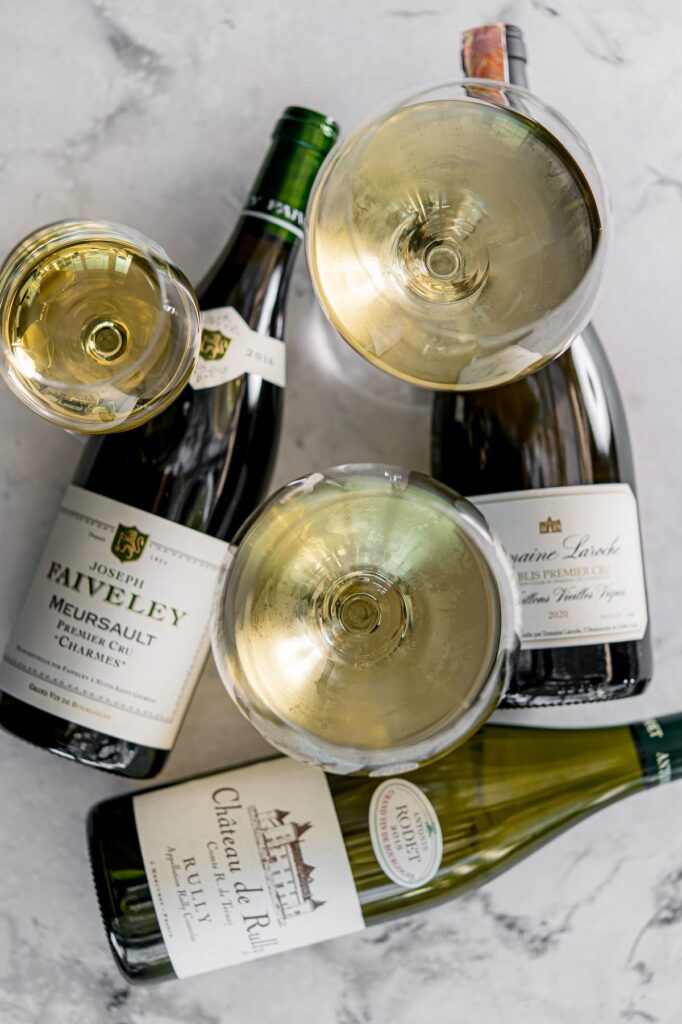
- Burgundy, France: the reference point for Chardonnay, from Chablis to the Côte de Beaune.
- The Loire Valley, France: Sancerre, Pouilly-Fumé, Vouvray, Savennières and Muscadet.
- Alsace, France: Riesling, Gewürztraminer and Pinot Gris of great purity.
- The Mosel and Rheingau, Germany: the world’s finest Riesling, dry and sweet.
- Bordeaux, France: dry Pessac-Léognan and sweet Sauternes.
- Marlborough, New Zealand: the modern home of vivid Sauvignon Blanc.
- Napa Valley and Sonoma, California: powerful and polished Chardonnay.
How to Serve White Wine
Temperature changes everything. Too cold, and the aromas disappear. Too warm, and the wine feels heavy and alcoholic. As a guide, serve light and crisp whites at 7 to 10°C. Fuller, oaked whites show best at 10 to 13°C. Sparkling and sweet wines should be well chilled, at around 6 to 8°C.
Glassware matters too. A tulip-shaped glass concentrates the aromas of crisp and aromatic whites. A wider bowl, by contrast, lets a great white Burgundy open up. Fine Chardonnay and white Bordeaux can even benefit from a short decant.
Pairing Types of White Wine With Food
| Wine | Classic pairing |
|---|---|
| Sancerre | Goat’s cheese, especially Crottin de Chavignol |
| Chablis or Muscadet | Oysters and shellfish |
| Albariño | Grilled fish and seafood |
| Dry or off-dry Riesling | Spiced Asian dishes, pork, smoked fish |
| Oaked Chardonnay | Lobster, turbot, roast chicken, cream sauces |
| Blanc de Blancs Champagne | Caviar and canapés |
| Sauternes | Foie gras, Roquefort, fruit tarts |
The principle is simple: match weight with weight, and let acidity cut through richness. Delicate dishes suit lighter wines, while butter, cream and shellfish welcome a fuller white.
Collecting and Ageing Fine White Wine
Most white wine is made to be enjoyed within one to three years. However, the finest bottles reward patience. Top white Burgundy often needs 8 to 15 years to show its full complexity. Great Riesling, Chenin Blanc and Sauternes can improve for decades.
Collectors should note that many white Burgundies from the mid-1990s onwards suffered from premature oxidation. Buying from trusted merchants with clear provenance is therefore essential. Store bottles on their side, in the dark, at a steady 11 to 13°C with moderate humidity.
Explore more in our Wines & Spirits coverage and our collection of luxury guides. For fine dining and hospitality across the Middle East, our sister publication MKV Digital Gulf Bulletin follows the region’s most exciting tables.
Frequently Asked Questions About Types of White Wine
What are the main types of white wine?
There are five main families: light and crisp, aromatic, rich and full-bodied, sparkling, and sweet. The most important grapes are Chardonnay, Sauvignon Blanc, Riesling, Pinot Grigio, Chenin Blanc and Sémillon.
Which white wine is the driest?
Muscadet, Chablis, Assyrtiko and Sancerre are among the driest and most mineral whites. Riesling and Chenin Blanc can be dry or sweet, so check the label.
What is the most expensive white wine in the world?
Grand Cru white Burgundy, above all Montrachet from the most sought-after domaines, is the most expensive. Rare sweet wines such as Château d’Yquem and German Trockenbeerenauslese also command very high prices.
Which white wines age best?
Fine Riesling, Grand Cru Burgundy, Loire Chenin Blanc, white Hermitage and Sauternes can age for decades. Most everyday whites are best within a few years.
How cold should white wine be served?
Serve light whites at 7 to 10°C and fuller, oaked whites at 10 to 13°C. Sparkling and sweet wines are best at around 6 to 8°C.
What is the difference between Chablis and Chardonnay?
Chablis is Chardonnay grown in the Chablis region of northern Burgundy. Its cool climate and limestone soils give a leaner, more mineral style than most other Chardonnay.