Standing in front of a wall of bottles can feel like sitting an exam. Wine labels use foreign words, tiny print and strict legal terms, and every country does it differently. The good news is that a handful of clues explain most of what you need to know.
This guide shows how to read wine labels from the top down. It starts with the four basic facts, then moves through the French, Italian and Spanish systems, grape varieties, vintages and the technical wine label terms that confuse most buyers. By the end, you will be able to read a label and know a lot about the bottle before you open it.
This is the first in our series of evergreen wine guides at MKV Digital Luxury Gazette. Bookmark it, because it applies to every bottle you will ever buy. For more, see our wine news.
Why Wine Labels Matter
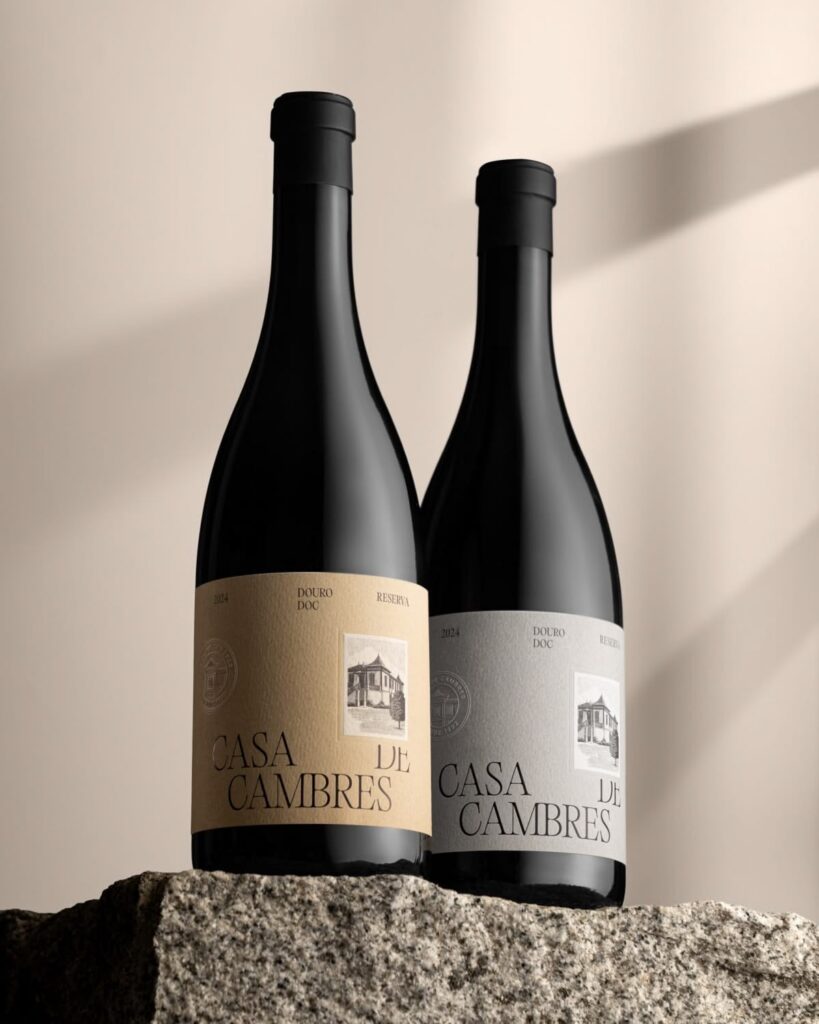
A label is the only description a bottle comes with. It tells you who made the wine, where the grapes grew, which grapes went in and when they were picked. Those four facts shape the taste, the style and often the price.
Wine labels also show how a wine was aged, how strong it is and how it was made. Read them well and you can buy with confidence, whether you are choosing a bottle for dinner or a gift.
The Four Key Facts on Wine Labels
Start with four questions:
- Who: the brand or producer
- Where: the country, region or appellation
- What: the grape variety or blend
- When: the vintage, or harvest year
Not every label shows all four in the same place. Some lead with the producer, others with the region or the grape. Once you know what to look for, you can find them quickly.
Who Made It: The Wine Producer
The producer is the winery, estate or brand behind the bottle. On famous brands, the name sits front and centre. Many Old World wines, especially from France, carry the name of a château or domaine instead of a big brand.
On bottles from smaller growers in famous regions, the producer may appear in small print while the region leads. A grower in Chablis or Sancerre, for example, may put the appellation in large type and the winery in small type. Look for words such as château, domaine, bodega, tenuta and Weingut. They all mean a wine estate, in French, Spanish, Italian and German.
Where It Comes From: Region and Appellation
Place is the most important clue on many labels. A wine’s region tells you about its climate, soil and traditions, and these shape its flavour. On many wine labels, that place appears as a geographical indication (GI), a legally protected name for a defined wine area, such as Rioja in Spain.
A GI does two jobs. It points to a standard linked to the region’s reputation, and it tells you the grapes will taste of that place. Weather, soil, vineyard methods and winemaking all leave a mark.
If the wine is not named after its place, look elsewhere on the front or back label. As a rule, the broader the area named, the simpler the wine. A label that says only “Wine of Spain” tells you less than one that names a single village.
French, Italian and Spanish Wine Labels Compared
Three of the biggest wine countries use tiered systems. The stricter the rules, the more specific the place. This table shows the basic ladder.
| Country | Broad area, fewer rules | Defined area, strict rules | Top tier |
|---|---|---|---|
| France | IGP (formerly Vin de Pays) | AOC, or AOP in the EU system | Vineyard rankings such as Grand Cru, in some regions |
| Italy | IGT | DOC | DOCG |
| Spain | Vino de la Tierra | DO | DOCa |
France. Wines with a place name but loose rules were long called Vin de Pays. Since 2009 the EU term is IGP, though many labels still say Vin de Pays. Wines from small, tightly regulated areas carry the AOC label, short for Appellation d’Origine Contrôlée. AOC covers Champagne, Chablis, Sancerre and Châteauneuf-du-Pape, and it signals tighter control over grapes, yields and methods. Simple wines labelled Vin de France show no specific area, but they can still name a grape variety and a vintage.
Italy. IGT wines come from broader zones with fewer rules. DOC wines, short for Denominazione di Origine Controllata, follow stricter rules for area, grapes and production. DOCG adds the word Garantita, meaning “guaranteed”, and applies to the zones with the tightest rules and strongest reputations. Barolo and Chianti Classico are DOCG wines.
Spain. Vino de la Tierra covers wines from broader areas with fewer restrictions. DO wines, short for Denominación de Origen, follow stricter area rules. DOCa, or Denominación de Origen Calificada, is reserved for DO regions with a long record of high quality. Rioja and Priorat hold DOCa status.
A higher tier usually means tighter rules and a stronger reputation. It is not a guarantee that you will like the wine. Treat it as a signpost on Old World wine labels, not a score.
Old World and New World: Two Ways of Naming Wine
Where a wine comes from changes how its label is written. Old World countries such as France, Italy and Spain tend to lead with the place, because the place defines the style. A bottle of Chablis does not need to say Chardonnay, because the region already implies it.
New World countries such as the United States, Australia, New Zealand, Chile and Argentina tend to lead with the grape variety, because it is the easiest way to describe the taste.
Neither approach is better. It simply helps to know which logic you are reading. Old World wine labels ask you to know the region. New World wine labels tell you the grape upfront.
What Is in the Bottle: Grape Variety
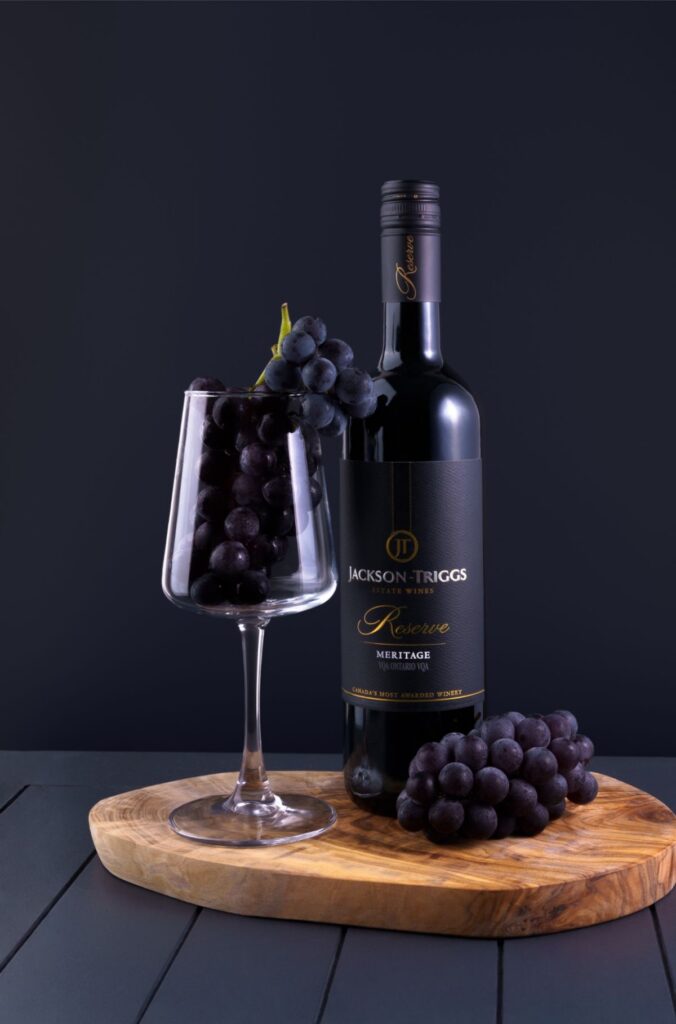
The grape variety shapes the colour, flavour, acidity and structure of a wine. Some grapes carry more sugar than others, which turns into alcohol during fermentation. Thicker-skinned grapes give reds more tannin, the grippy feel you notice on your gums.
Climate matters just as much. Cooler regions give grapes higher acidity and lighter body. Warmer regions give riper, fruitier wines with more natural sugar. That is why a Chardonnay from northern France tastes very different from a Chardonnay from Australia.
Famous varieties such as Malbec, Pinot Noir and Pinot Grigio usually appear on the front label. For unusual grapes or blends, check the back label. A blend lists more than one grape, such as Cabernet Sauvignon and Syrah, or gives a percentage split. Rules differ by country, but a wine named after a single grape often has to contain at least 75 to 85 percent of it.
When It Was Picked: Understanding Vintage
The vintage is the year the grapes were harvested. It usually appears on the label as a four-digit year. It helps you judge two things: how fresh the wine should be, and when it may taste its best.
Light, fresh wines, such as many whites and rosés, are usually best young. For them, the vintage mainly tells you how old the wine is. For serious wines that develop with time, such as fine red Bordeaux or Barolo, the vintage matters much more, because some years produce better fruit than others.
Do not read too much into age, though. Wine can fade in the bottle, and weather can make the same wine taste very different from one year to the next. An older vintage does not always mean a better wine.
Wine Label Terms for Sweetness and Sparkling Wine
These wine label terms change with language and style, so read them in context.
- Brut Nature and Extra Brut: very dry sparkling wine
- Brut: dry
- Extra Dry: on Prosecco, slightly sweeter than Brut
- Sec: means “dry” in French, but on sparkling wine it tastes off-dry
- Demi-Sec: noticeably sweeter
- Doux: sweet
- Trocken: dry, on German wines
Wine Label Terms for Production Methods
Non-Vintage (NV). There is no year on the label. The wine blends grapes from different harvests, which lets the producer keep a steady house style. NV is common in Champagne, and it is not a sign of low quality. Many top houses make their flagship wine this way.
Organic. The grapes were grown without synthetic chemicals. Look for an official certification logo, because rules and wording vary between countries.
Unfined or unfiltered. The wine skipped the usual steps that remove sediment, bacteria and yeast before bottling. Some producers believe this gives a more interesting wine. Others skip fining agents such as egg whites or milk protein so the wine is vegan. You will often see these terms on natural and biodynamic wines.
Mis en bouteille. This is French for “bottled”. “Mis en bouteille au château” or “au domaine” means the wine was bottled at the estate where it was made, which shows the producer controlled the process. It is a good sign, not a guarantee of quality.
Cuvée. A blend, or a specific batch or selection. It can mean a mix of grapes, vintages, vineyards or even barrels.
Wine Label Terms for Ageing and Quality
Barrel or barrique aged. The wine was fermented or aged in oak barrels. A barrique is a 225-litre barrel. Oak can add toasty, nutty and spicy notes.
Old vines (vieilles vignes). The wine comes from vines that have grown for decades, often 50 years or more. Old vines tend to give small crops of concentrated fruit. The term usually has no legal definition, so treat it as a hint, not a rule.
Reserva, Riserva and Reserve. In Spain and Italy, these terms refer to longer ageing under local rules. In many other countries, “Reserve” has no legal meaning and can mean almost anything.
Classico and Superiore (Italy). Classico points to the historic heart of a wine zone. Superiore usually means higher alcohol or longer ageing.
Grand Cru and Premier Cru. These rank the top vineyards in regions such as Burgundy. The meaning differs by region, so check the local system.
The Small Print: ABV, Sulphites and Bottle Size
Alcohol by volume, or ABV, shows how strong the wine is. Light whites may sit around 11 to 12 percent, while rich reds from warm regions often reach 14 percent or more. Higher alcohol often goes with a fuller body and riper fruit.
Most labels in the EU and US also carry a “contains sulphites” statement. Sulphites are a common preservative. The standard bottle holds 750 ml. Labels also show the bottler or importer, which can help you trace a wine back to its source. These small details add up as wine label terms that tell you how the bottle was made and sold.
How to Read Wine Labels in Four Steps: A Worked Example
Take a bottle labelled Chianti Classico DOCG, 2021, 13.5%. Follow four steps.
- Find the place. Chianti Classico is the region. The word DOCG tells you it sits in Italy’s top tier, with tight rules.
- Find the grape. Chianti Classico is made mainly from Sangiovese. The label may not say so, which is common on Old World wine labels, so check the back label.
- Find the year. 2021 is the harvest year. Check whether the style is meant to be drunk young or aged.
- Check the small print. An ABV of 13.5% points to a medium to full body.
In four steps, you know the country, the quality tier, the likely grape, the age and the strength.
Common Mistakes When Reading Wine Labels
Even keen buyers trip over a few traps when reading wine labels:
- Assuming older means better. Age only helps wines built to age.
- Judging by design or price. A fancy label says nothing about what is inside.
- Ignoring the back label. Grapes, blends and tasting notes often sit there.
- Trusting “Reserve” without checking the country. It can mean a lot or nothing.
- Treating non-vintage as low quality. Many fine sparkling wines are NV.
- Assuming a higher tier fits your taste. Strict rules do not guarantee you will enjoy the wine.
Wine Labels: Frequently Asked Questions
What Is the Most Important Information on Wine Labels?
The four basics: the producer, the place, the grape and the vintage. Start there, then move on to terms like DOCG or NV.
What Does AOC Mean on a Wine Label?
AOC stands for Appellation d’Origine Contrôlée. It is a French label showing the wine comes from a defined area and follows strict rules on grapes, yields and methods. The EU system calls it AOP.
What Is the Difference Between DOC and DOCG?
Both are Italian quality labels with rules on area, grapes and production. DOCG has stricter rules and a “guaranteed” status, so it sits one tier above DOC.
What Does Non-Vintage Mean?
The wine blends grapes from different harvests, so it shows no year. It is common in Champagne and does not mean low quality.
Does an Older Vintage Always Mean Better Wine?
No. Only wines made to age improve with time, and weather can make some years better than others.
What Does Reserva Mean on Wine Labels?
In Spain, Reserva refers to a wine aged for longer under local rules. In many other countries, “Reserve” has no legal meaning.
Can You Tell Whether a Wine Is a Blend From the Label?
Yes. A blend lists more than one grape, shows a percentage split, or uses the word cuvée. Check the back label if the front is unclear.
Keep Reading
Wine labels are a code, and the code is easy to learn. Start with who, where, what and when. Then use the glossary of wine label terms above for the harder words. The more labels you read, the faster it gets. For more wine and travel guides, follow MKV Digital Luxury Gazette.