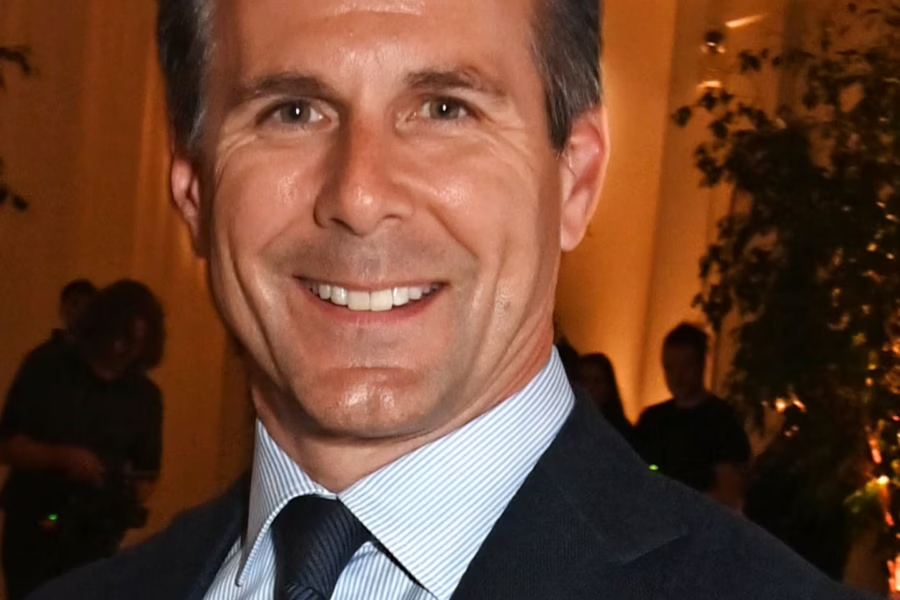
LVMH Moët Hennessy Louis Vuitton (LVMH), which owns Louis Vuitton and others, has begun discussing potential price cuts. Cécile Cabanis, LVMH’s chief financial officer (CFO), said on a recent earnings call, “We are discussing whether we can take bolder, more immediate measures such as price reductions.”
The shift matters because luxury houses spent years raising prices without lasting damage to demand. With sales now sluggish across the global market, the sector is reassessing that approach.
Key Facts at a Glance
| Detail | Confirmed information |
|---|---|
| Company | LVMH Moët Hennessy Louis Vuitton |
| Executive | Chief Financial Officer Cécile Cabanis |
| Subject | Possible price reductions across the group |
| Forum | A recent earnings call |
| Status on 16 November 2026 | Under discussion, with no cuts announced |
| Fashion labels | Still resisting lower prices, including Louis Vuitton |
| Louis Vuitton third-quarter sales | Estimated down 8% year on year by Goldman Sachs |
| Gucci | Sales declines for 13 consecutive quarters |
LVMH Price Cuts: What the CFO Said
Cabanis told the call that LVMH is considering faster and more decisive steps on pricing, and she named outright reductions among them. The statement stops short of an announced cut. It confirms, however, that lower prices are being examined at group level.
LVMH continues to resist lowering prices at its fashion labels, including its core brand, Louis Vuitton. The group has not said which brands or categories a reduction could affect, or when a decision might follow. Further background on the group is available on LVMH’s corporate site.
A Sharp Shift in Luxury Pricing Strategy
The remarks stand in contrast to the position Cabanis set out a year earlier. She ruled out dividing the group’s offer by price tier and distinguished LVMH from a mass-market consumer brand such as Coca-Cola.
At that point, price positioning was presented as a settled principle. Today it is one of several options under review, which shows how far trading conditions have moved in twelve months.
Lowering prices has long been treated as a taboo in luxury. A cut can imply that an item was never worth its original ticket, and it can weaken the premium image on which a house depends. That risk explains the caution in the group’s language, even as the discussion widens.
Why Louis Vuitton Sales Are Under Pressure
Goldman Sachs estimates that Louis Vuitton’s revenue declined 8% year on year in the third quarter. The figure is an analyst estimate and not a number published by the brand.
Erwan Rambourg, a luxury analyst at Goldman Sachs, said weaker pricing alone does not explain the downturn at Louis Vuitton. He pointed to the brand moving beyond trunks and handbags into fragrance and make-up, a step he linked to uncertainty among shoppers about what the label represents.
For the heritage behind that positioning, read our guide, Louis Vuitton Luxury House: How a Paris Trunk Maker Built a Global Empire.
Gucci Sales Decline Reaches 13 Quarters
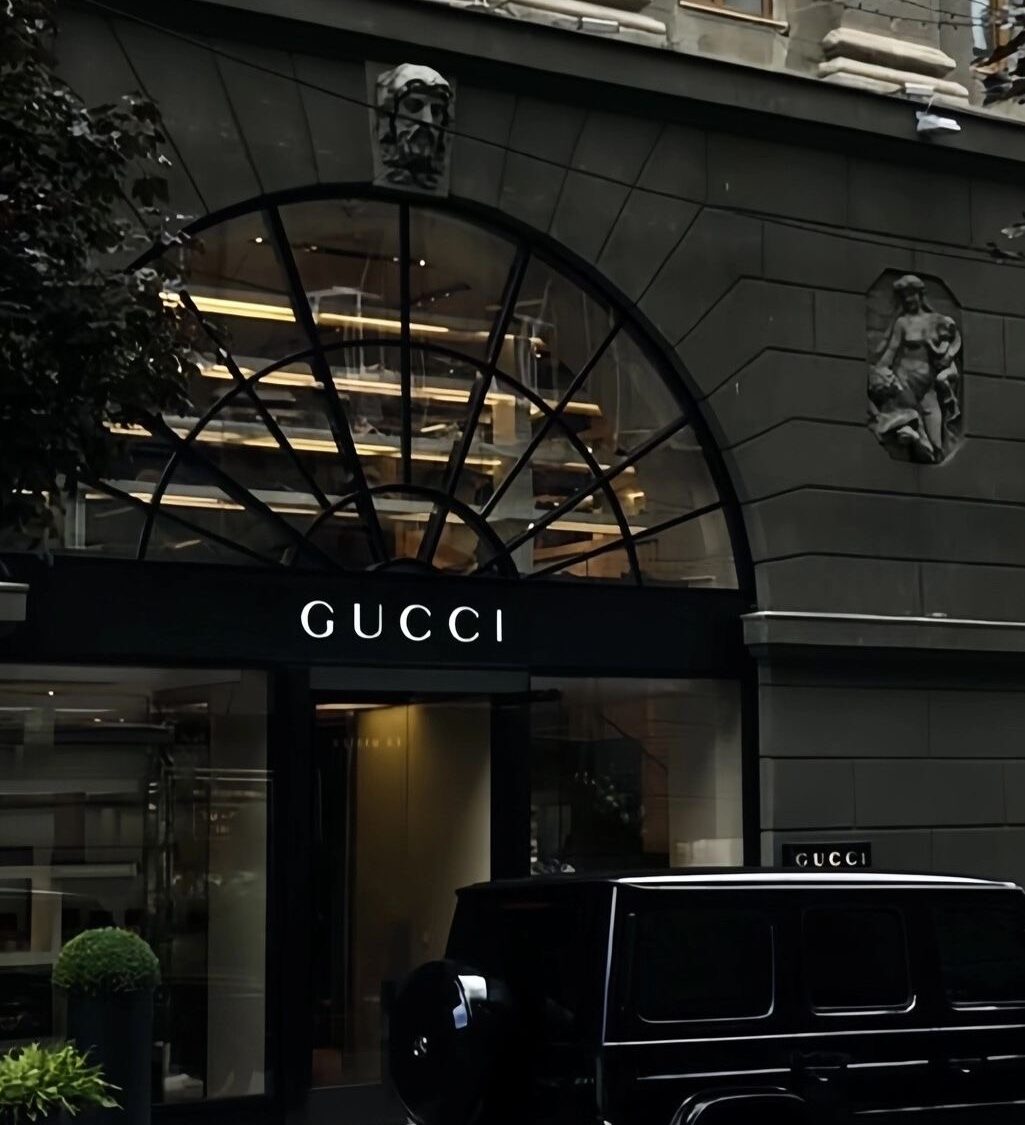
Gucci, Kering’s flagship label, has recorded sales declines for 13 consecutive quarters. Kering’s latest results showed flat revenue and a 6% drop in Gucci sales, and the Gucci sales decline has become a central concern for its parent.
Our report, Kering Revenue Flat as Gucci Sales Fall 6% in Third Quarter, sets out the quarterly figures in full. Kering publishes its own disclosures on its corporate site. For further context on the group’s wider changes, read our coverage of Pierpaolo Piccioli’s Balenciaga exit.
Why LVMH Price Cuts Matter for the Industry
Pricing is the clearest signal a luxury house sends about the value of its products. When a group of LVMH’s scale describes reductions as a live option, it points to pressure that is difficult to manage through marketing or product alone. Price is also one of the few levers management can adjust quickly, whereas creative and product changes take several seasons to reach customers.
The debate has two sides. Rambourg’s view suggests that brand strength, and not price alone, drives demand. Lower prices therefore carry no guarantee of a sales recovery, and they carry a real risk to desirability.
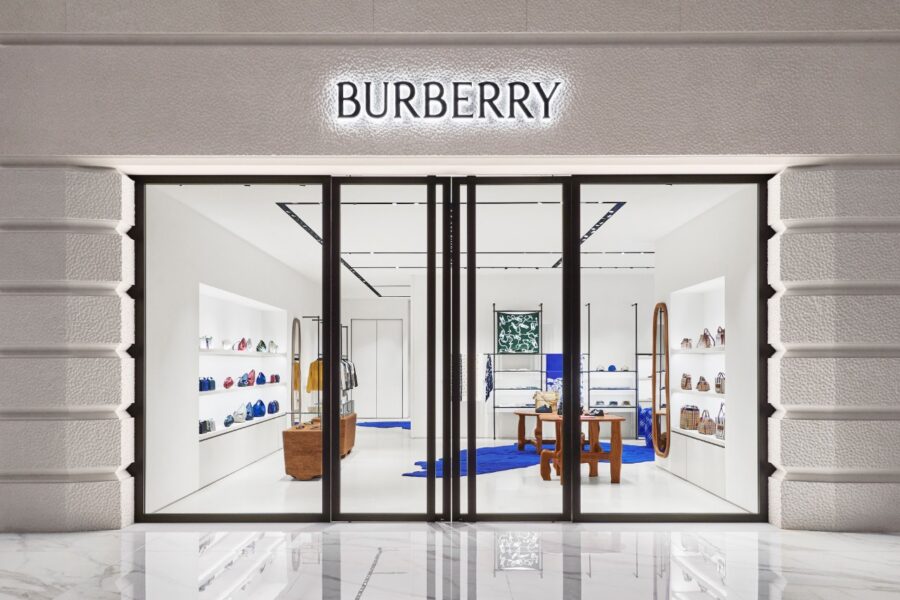
Other houses are managing pricing in different ways. Our report, Burberry China Sales Rise 7% as Pricing and Local Focus Pay Off, shows pricing decisions being used to support growth at another house. For clients, the practical question is how to read a change. A lower price widens access, yet it can also unsettle customers who paid the earlier price.
Readers who follow regional retail and market developments can find further coverage on MKV Digital Gulf Bulletin.
What Comes Next After the LVMH Price Cuts Discussion
No reductions have been announced. The central question is whether LVMH price cuts move from discussion to action, and in which divisions. Three points will be worth following:
- Whether fashion labels, including Louis Vuitton, keep their current pricing
- Whether LVMH gives detail on the scope of any change at its next earnings update
- Whether other luxury groups adjust their own pricing in response
Until then, the confirmed position is limited to the CFO’s statement and the sales figures already in the public domain. For more analysis, see our Luxury Business coverage.
Frequently Asked Questions
Are LVMH price cuts confirmed?
Not yet. Chief Financial Officer Cécile Cabanis said on a recent earnings call that the group is discussing faster, more decisive steps on pricing, including reductions. No cuts have been announced.
What did LVMH’s CFO say about price reductions?
Cécile Cabanis said LVMH is examining whether it can act more boldly and more quickly on pricing, and she named reductions among the options. A year earlier she had ruled out splitting the group’s offer by price tier.
Who is Cécile Cabanis?
Cécile Cabanis is the Chief Financial Officer of LVMH Moët Hennessy Louis Vuitton. She made the pricing comments on a recent earnings call.
Will Louis Vuitton cut its prices?
LVMH continues to resist lowering prices at its fashion labels, including Louis Vuitton. Goldman Sachs estimates that the brand’s third-quarter revenue declined 8% year on year.
How long has Gucci’s sales decline lasted?
Gucci has recorded sales declines for 13 consecutive quarters. Its sales dropped 6% in Kering’s third quarter.
Why is LVMH considering price reductions now?
Demand across the global luxury market has been sluggish, and sales at Louis Vuitton and Gucci have weakened. After years of price increases, the group is reviewing whether pricing should change.
Why is cutting prices sensitive for luxury brands?
A lower price can suggest that a product’s original value was overstated and can weaken the premium image that luxury houses rely on. That is why price reductions have long been treated as a last resort.