Tesla has unveiled the next-generation Tesla Roadster, an electric supercar that accelerated from 0–60 mph in 0.81 seconds, drove upside down and briefly took flight. Developed with technology from SpaceX, the car is one of the most ambitious engineering projects in automotive history. It pushes the boundary between conventional motoring and aerospace innovation.
It has been a long wait. Nearly nine years after Tesla first announced plans for a second-generation Roadster, Elon Musk has revealed a radically redesigned vehicle. The reveal took place on 15 October 2026, during a spectacular demonstration in Texas. The new Tesla Roadster combines exceptional acceleration, advanced aerodynamics and a propulsion system that Tesla and SpaceX developed together.
The Tesla Roadster Unveiling at a Glance
- Type: Electric supercar developed with SpaceX technology
- Unveiled: 15 October 2026, in Texas
- Acceleration shown: 0–60 mph in 0.81 seconds
- Claimed top speed: More than 230 mph
- Range target: More than 300 miles
- Versions: Performance, Thrust and Rocket
- Production target: 2028
- Pricing: Not confirmed
- Note: The figures are manufacturer claims and demonstration results, not independently verified
Inside the Texas Demonstration
The demonstration showed three things. First, the car accelerated from 0–60 mph in just 0.81 seconds. Second, it travelled upside down along a specially constructed ramp. Third, it briefly flew over several vehicles from Tesla’s existing range. Those vehicles were the Model 3, Model Y, Cybertruck, Semi and Cybercab.
In one run, the car climbed a steep ramp, stayed in position while inverted and used its propulsion system to rotate before descending safely. In another, it lifted itself into the air and passed over the line-up of Tesla vehicles.
More than another high-performance electric car, the Tesla Roadster is a technological showcase. It shows how engineering normally linked to spacecraft could shape the future of automotive performance.
How a Supercar Takes Flight
Three technologies work together: powerful electric fans, advanced aerodynamics and SpaceX-inspired cold-gas thrusters. This combination allows manoeuvres that were previously considered impossible for a conventional car.
The system works differently from conventional aircraft propulsion. It uses compressed gas expelled through strategically positioned nozzles to create thrust. The technology includes two ultra-high-pressure air tanks with a combined capacity of about 600 litres. They store around 250 kilograms of compressed air. A network of ten nozzles controls the vehicle’s movement.
Together, these systems enable upward propulsion, controlled rotation and extra acceleration. They could open a new direction for high-performance automotive engineering. In the Tesla Roadster, they are the headline feature.
Not a Flying Car: The Limits of the Rocket
The flying demonstration should not be confused with a conventional flying car. Tesla’s Rocket configuration is not approved for public roads. Its aerial abilities remain subject to significant operational and regulatory restrictions. So, while the electric supercar can leave the ground briefly, it is not a flying car in the everyday sense.
Tesla Roadster Acceleration: 0–60 mph in Under One Second
Acceleration has always been central to Tesla’s performance philosophy. The Tesla Roadster takes it to a new level. The demonstration time of 0.81 seconds is considerably quicker than the acceleration figures of conventional road-going supercars. For the flagship Rocket configuration, Tesla has set an even bolder target: 0–60 mph in less than 0.59 seconds.
Several systems make this possible. Electric propulsion works with an aerodynamic suction system and, on selected configurations, extra thrust from compressed-gas propulsion. The fan system creates strong downward force. That helps the car stay in contact with the road during extreme acceleration and cornering. Combined with the aerodynamic bodywork and advanced vehicle control systems, it delivers performance that would be exceptionally hard to reach through tyre grip alone.
Tesla also says the car will exceed 230 mph, which places it among the world’s fastest supercars. These figures are manufacturer claims and demonstration results. They are not independently verified production-vehicle measurements.
Three Tesla Roadster Versions: Performance, Thrust and Rocket
Tesla has outlined three configurations. Each offers a different level of performance and technical complexity.
| Version | Seats | 0–60 mph target | Notes |
|---|---|---|---|
| Performance (Road Ready) | Two | Under 1.6 seconds | Range target over 300 miles |
| Thrust (Race Ready) | Two | Under 0.9 seconds | Limited release |
| Rocket (Air Ready) | One | Under 0.59 seconds | Invitation only, not approved for public roads |
Roadster Performance: Road Ready. The entry-level version is designed for road use. It combines active aerodynamics with a multi-mode suction system built to maximise traction and handling. Tesla claims it is considerably faster than most conventional high-performance vehicles.
Roadster Thrust: Race Ready. This version adds propulsion technology. It pairs the suction system with rear-mounted cold-gas thrusters, which give extra acceleration. It is planned as a limited-release model and marks a significant engineering departure from traditional electric supercars.
Roadster Rocket: Air Ready. At the top sits the Rocket, an experimental high-performance machine. Cold-gas thrusters around the vehicle can create upward, lateral and rotational movement. That is what made the aerial manoeuvres in the unveiling possible. Tesla claims a top speed above 230 mph. The Rocket will be available by invitation only and is not approved for public road use.
Where Aerospace Meets Automotive
The partnership between Tesla and SpaceX is the defining feature of the car’s development. Electric motors provide conventional propulsion. SpaceX-inspired engineering adds a different way to control the vehicle’s movement.
The cold-gas thrusters release compressed gas through carefully controlled outlets. That produces forces that can add acceleration or change the car’s orientation. Making this work in Earth’s atmosphere required new engineering solutions, including advanced pressure vessels and sophisticated electronic control systems. The car uses carbon-fibre-wrapped pressure vessels built to handle the high pressures the propulsion system needs.
Tesla also developed a multi-mode aerodynamic suction system. It generates considerable downward force and keeps the Tesla Roadster attached to the road, even during extreme manoeuvres. During the unveiling, Tesla showed that suction and propulsion together allow the car to travel along surfaces that would normally be impossible for a car. The developments point to closer links between aerospace and automotive engineering. Their wider practical uses remain uncertain.
The Tesla Roadster’s Radical New Design
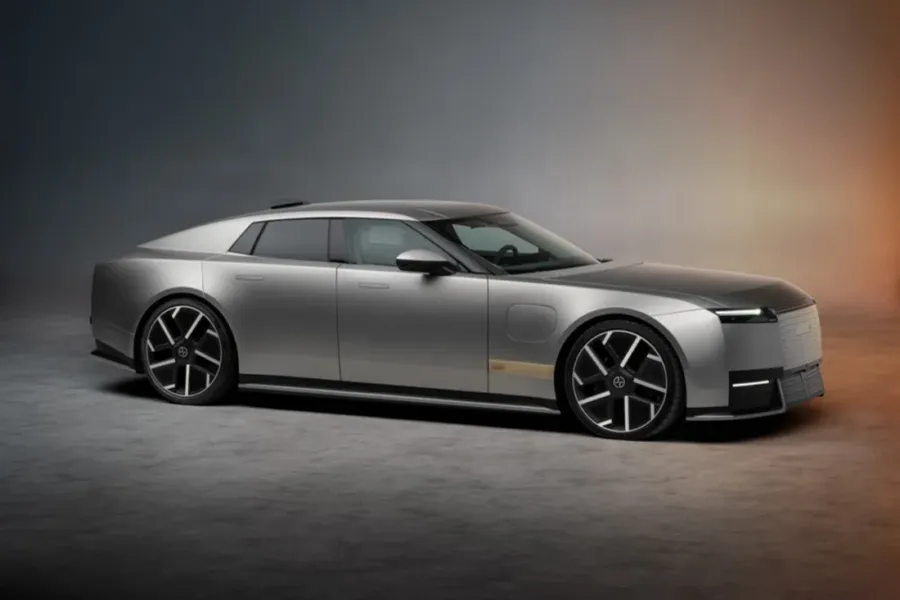
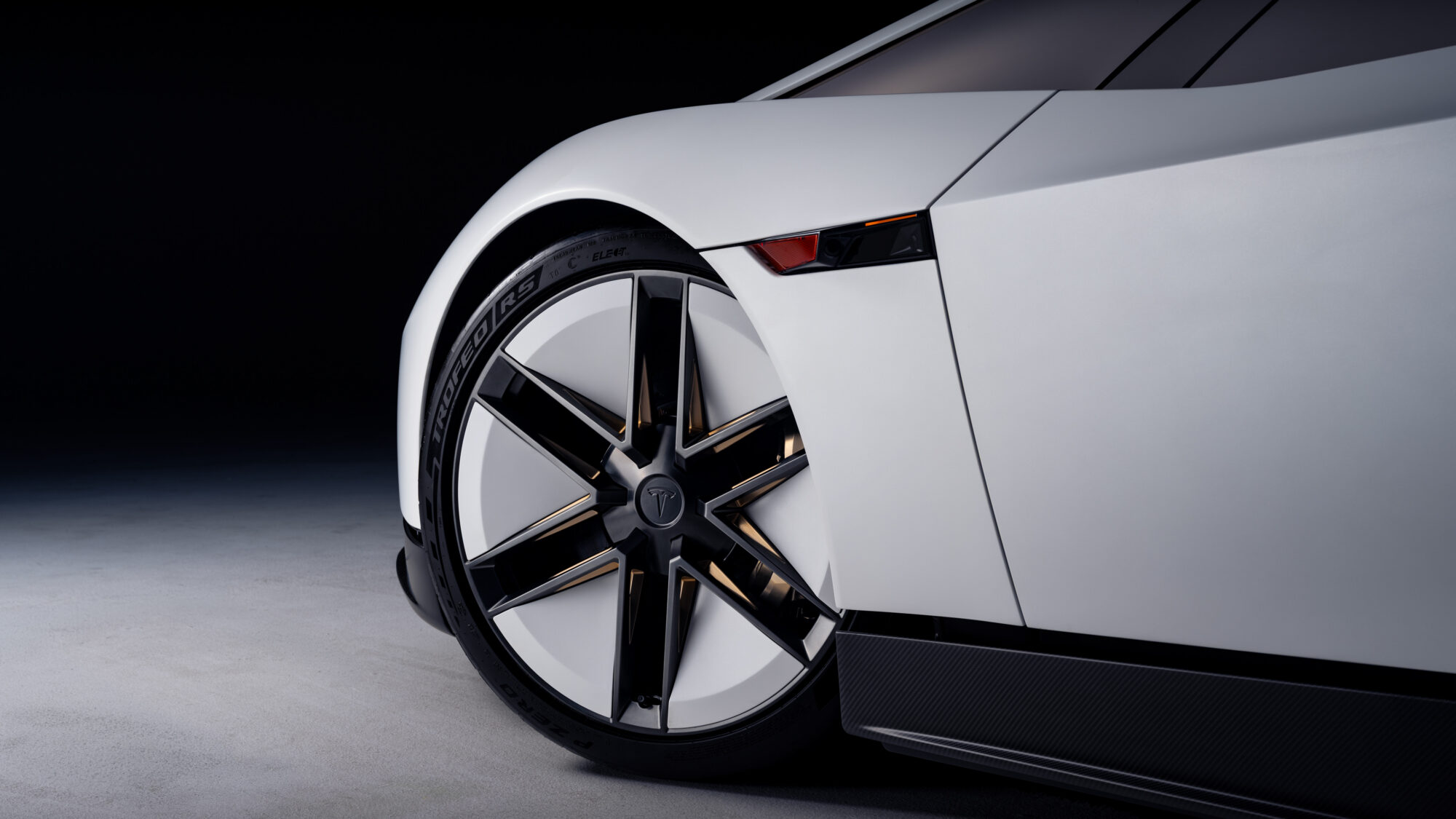
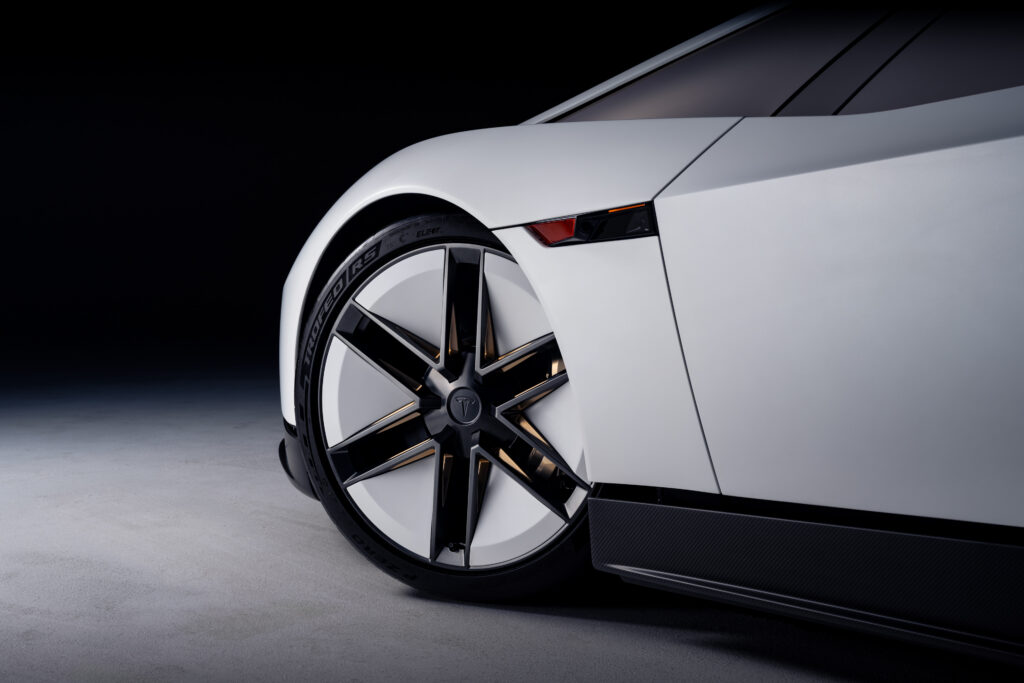
The new Tesla Roadster introduces a striking design language that reflects Tesla’s increasingly futuristic approach. Its low-slung silhouette includes advanced aerodynamic elements, among them an active rear wing built to increase stability and add downforce. Engineers designed the car around its performance needs, and the propulsion hardware sits inside the bodywork.
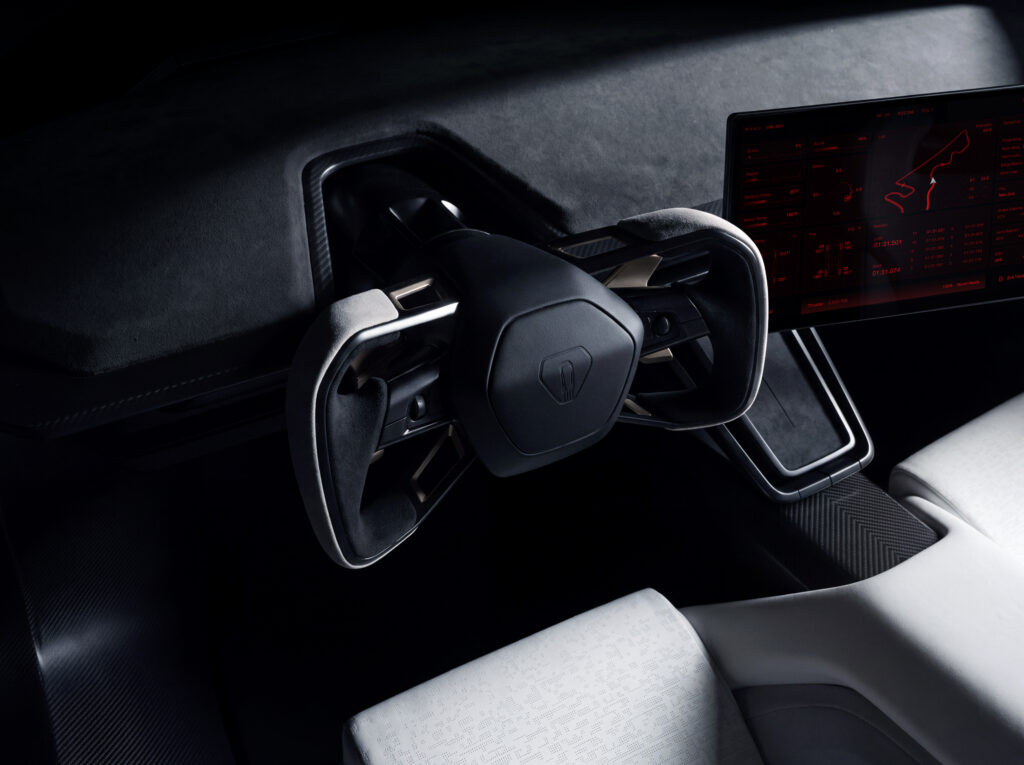
The interior is minimalist. It features a steer-by-wire control system and a distinctive steering yoke. Tesla has also added electronically controlled driving systems and seating that forms part of the vehicle’s structure. The engineering inspiration reportedly came from advanced aerospace projects, including the legendary SR-71 reconnaissance aircraft.
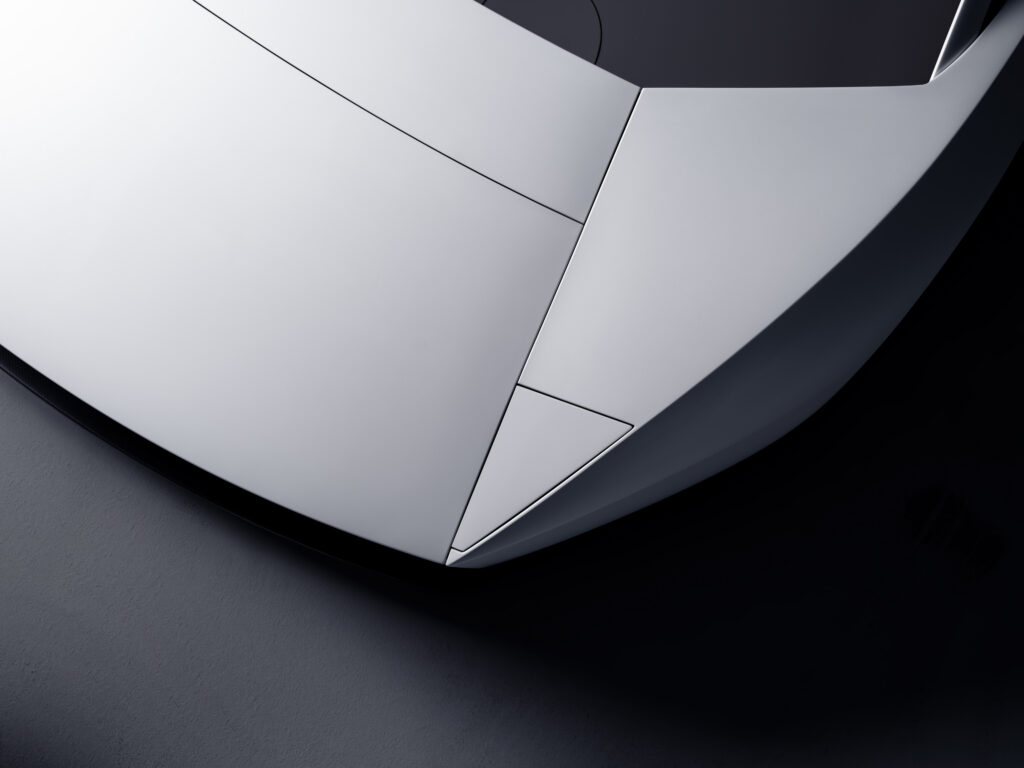
The car does not try to copy traditional luxury grand tourers. It puts technological innovation, aerodynamic performance and driver engagement first. The result is a car meant to show what modern electric propulsion can do at the extreme.
Tesla Roadster Range: More Than 300 Miles
Despite its extreme performance goals, Tesla still presents the Tesla Roadster as an all-electric sports car. The company is targeting a range of more than 300 miles for the new generation.
That is a major change from the original concept shown in 2017. Back then, Tesla advertised an estimated range of 620 miles, a top speed above 250 mph and 0–60 mph in 1.9 seconds.
| 2017 concept | October 2026 targets | |
|---|---|---|
| Range | 620 miles (estimated) | More than 300 miles |
| Top speed | More than 250 mph | More than 230 mph |
| 0–60 mph | 1.9 seconds | Under 1.6 seconds (Performance); 0.81 seconds shown in demo |
Some earlier specifications remain visible in previously indexed versions of Tesla’s official Roadster website. They should not be confused with the revised specifications announced in October 2026.
Real-world range will depend on final battery specifications, driving conditions and the extra energy needed by the aerodynamic and propulsion systems. Tesla has not yet given comprehensive, independently verified efficiency figures for the new generation.
The Last Great Driver’s Car?
The Roadster holds an unusual place in Tesla’s strategy. The company is investing heavily in autonomous driving, artificial intelligence and robotics. Yet it presents this car as a celebration of human-controlled performance.
Musk has described the car as the ultimate expression of driver engagement. He suggested it could become one of Tesla’s last vehicles developed mainly around the experience of driving.
That sets it apart from the autonomous Cybercab programme. The Cybercab is designed to reduce human involvement in transport. The Roadster embraces the excitement, precision and emotional pull of driving an exceptionally powerful machine. It also shows that Tesla can bring technologies from different engineering fields into one car.
When Can You Buy the Tesla Roadster? Release Date, Price and Availability
The unveiling is a milestone, but customers still face a wait. Tesla is targeting 2028 for the start of production. The company has not confirmed final pricing for the redesigned car, and delivery schedules are not yet available.
The 2017 concept had a proposed starting price of about $200,000. That figure should not be treated as the confirmed price of the substantially redesigned 2026 model. With three configurations of very different complexity, large differences in price and availability are likely. The Rocket is expected to be extremely exclusive because it is invitation only and uses experimental propulsion technology.
Tesla says availability and some features depend on local legal requirements. As a result, specifications could vary significantly between markets. The UK Roadster website adds that features linked to the propulsion upgrades depend on regional legislation and availability, and that the car is currently specified as left-hand drive only. The latest information is on Tesla’s official Roadster website, which also lists a deposit option, according to the report.
What Tesla Still Has to Prove
Important questions remain. Tesla must show that the prototype’s extraordinary abilities can become reliable production technology. It must also secure the approvals needed for the configurations meant for public roads. The company’s history of delayed Roadster timelines means the proposed 2028 launch will face close scrutiny.
Even so, the October unveiling achieved something notable. According to the report, it showed that an electric supercar can perform controlled aerial manoeuvres while delivering acceleration beyond that of virtually any conventional road car.
Why the Tesla Roadster Matters for Electric Performance
The next-generation Tesla Roadster is more than the launch of another luxury electric vehicle. It shows a philosophy in which automotive limits are challenged by ideas borrowed from aerospace, advanced materials and electronic control systems. Whether it becomes a commercially successful electric supercar or stays an exclusive technology showcase, its debut points to what could emerge where electric mobility meets aerospace engineering.
For Tesla, it is also a return to the sports car that helped establish the brand. It is a statement of ambition. For the wider industry, it raises a big question: if an electric car can reach 60 mph in less than a second, drive upside down and briefly take flight, what comes next?
Tesla Roadster: Frequently Asked Questions
How Fast Is the Tesla Roadster?
Tesla demonstrated 0–60 mph in 0.81 seconds. It claims under 1.6 seconds for the Performance, under 0.9 seconds for the Thrust and under 0.59 seconds for the Rocket, with a top speed above 230 mph. These are manufacturer claims, not independent measurements.
Can the Tesla Roadster Really Fly?
It briefly left the ground in the demonstration, using electric fans, aerodynamics and cold-gas thrusters. It is not a conventional flying car. The Rocket configuration is not approved for public roads, and its aerial abilities face significant operational and regulatory limits.
When Will the Tesla Roadster Be Released?
Tesla is targeting 2028 for the start of production. Delivery schedules are not available.
How Much Will the Roadster Cost?
Tesla has not confirmed final pricing. The 2017 concept’s proposed price of about $200,000 should not be treated as the price of the new model.
How Far Can the Roadster Go on a Charge?
Tesla is targeting more than 300 miles. Real-world range will depend on battery specifications, driving conditions and the energy used by the aerodynamic and propulsion systems.
What Are the Three Roadster Versions?
Performance (Road Ready, two seats), Thrust (Race Ready, two seats, limited release) and Rocket (Air Ready, single seat, invitation only).
Is the Roadster Left-Hand Drive Only?
Tesla’s UK Roadster website says the car is currently specified as left-hand drive only.
Keep Reading
The Final Word on the Tesla Roadster
The Tesla Roadster has turned an old promise into a spectacle: an electric supercar that accelerates in under a second, drives upside down and briefly takes flight. Whether Tesla can turn that spectacle into a car you can buy, in 2028 or later, is the question that matters now. For more luxury and motoring news, follow MKV Digital Luxury Gazette.
Source: Breaking Travel News – Images courtesy of Tesla.